

How to Start Backcountry Skiing
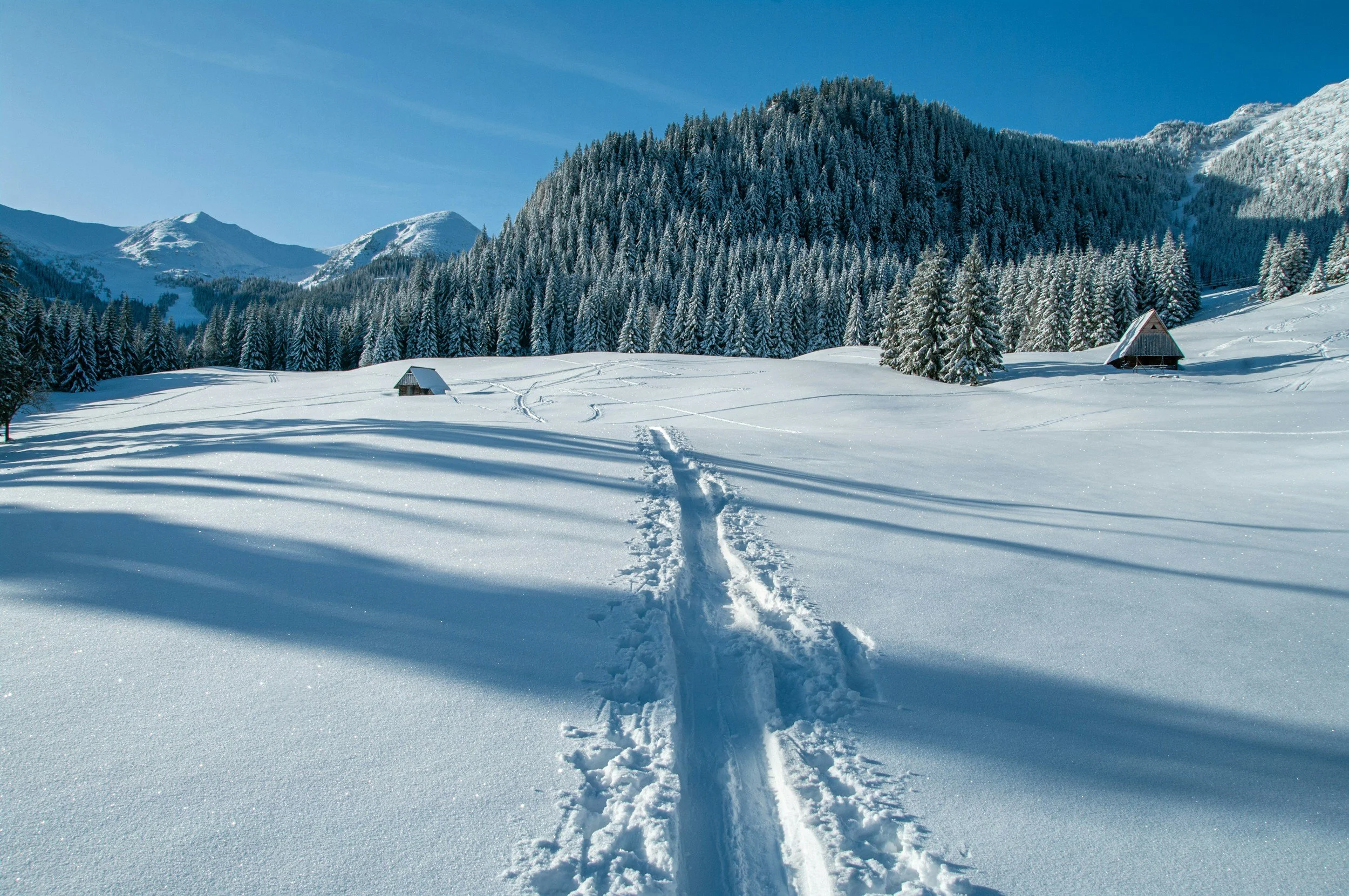
Backcountry skiing is about more than fresh tracks—it’s about stepping into wild places with confidence, preparation, and respect for the mountains. At Outdoor Mavens, we believe the backcountry is for everyone, and that education is the key to unlocking it safely and sustainably.
Whether you’re new to touring or just beginning to explore beyond resort boundaries, understanding avalanche awareness and adopting the Know Before You Go ethos is essential. This guide breaks down what backcountry skiing is, why avalanche education matters, and how to get started—without breaking the bank.
What Is Backcountry Skiing?
Backcountry skiing takes place in ungroomed, uncontrolled terrain beyond ski resort boundaries. There’s no avalanche mitigation, no ski patrol, and no marked runs. You earn your turns by traveling uphill using climbing skins and touring equipment, and you make every decision—from route selection to turnaround time.
This level of responsibility is what makes backcountry skiing powerful. It invites you to move more intentionally, tune into conditions, and travel as a team. It is an amazing way to bring together a variety of outdoor skills-winter travel, map reading, group risk assessment, and of course skiing.
Why Avalanche Awareness Matters
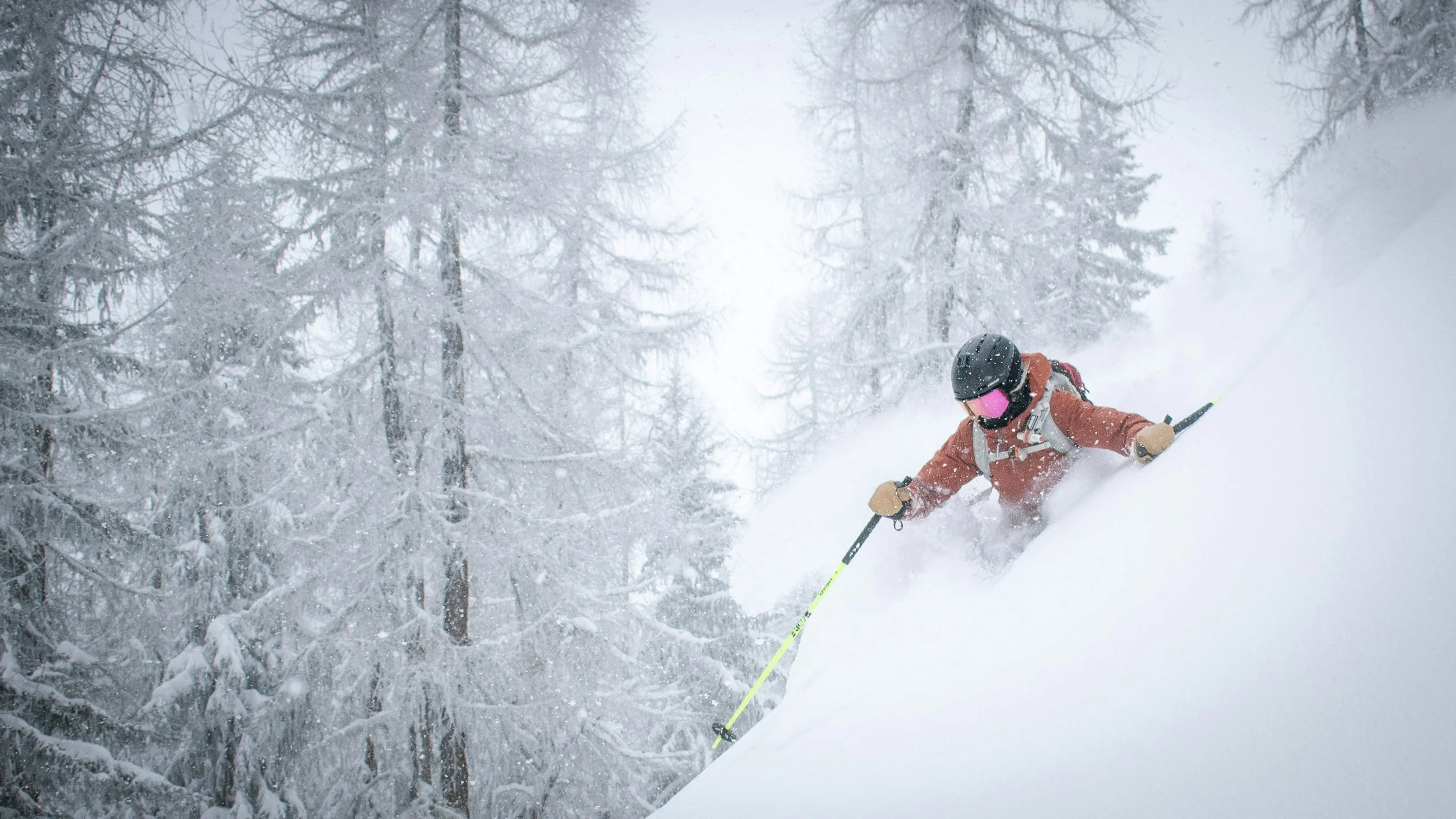
Avalanches don’t care how strong of a skier you are. They respond to terrain, snowpack, weather, and human decisions. Most avalanche incidents involve recreational users—not because they lack skill, but because risk can be easy to underestimate.
Avalanche awareness helps you:
Recognize avalanche terrain
Understand current conditions
Make informed, conservative decisions
Travel more confidently with partners
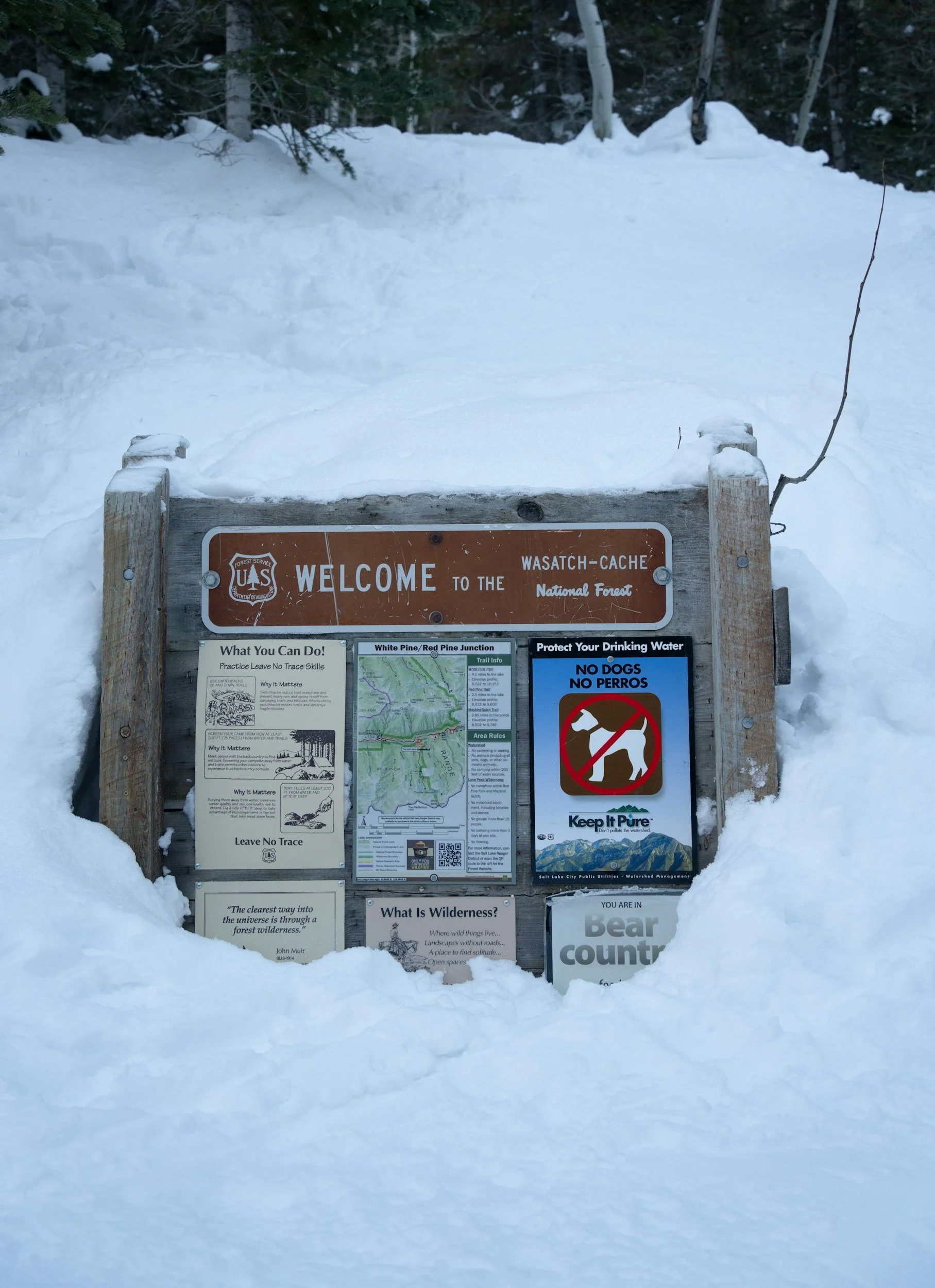
At Outdoor Mavens, we see avalanche education as a tool for empowerment—not fear. Knowledge allows you to move through the mountains with clarity and confidence. Before stepping into the world of Backcountry skiing it is critical you equip yourself with the knowledge needed to safely travel and assess risk. We recommend attending a Know Before you Go event or signing up for your Recreational Level One Avalanche Course.
The Know Before You Go Ethos
The Know Before You Go ethos is about showing up prepared—before you ever click into your skis.
Checking the avalanche forecast every time
Understanding the terrain you plan to travel through
Carrying the proper rescue equipment
Communicating openly with your group
Being willing to change plans or turn around
Backcountry skiing isn’t about pushing limits—it’s about making choices that allow you to come home safely and keep showing up for the adventure. To live to ski another day.
Avalanche Safety Gear: What You Need
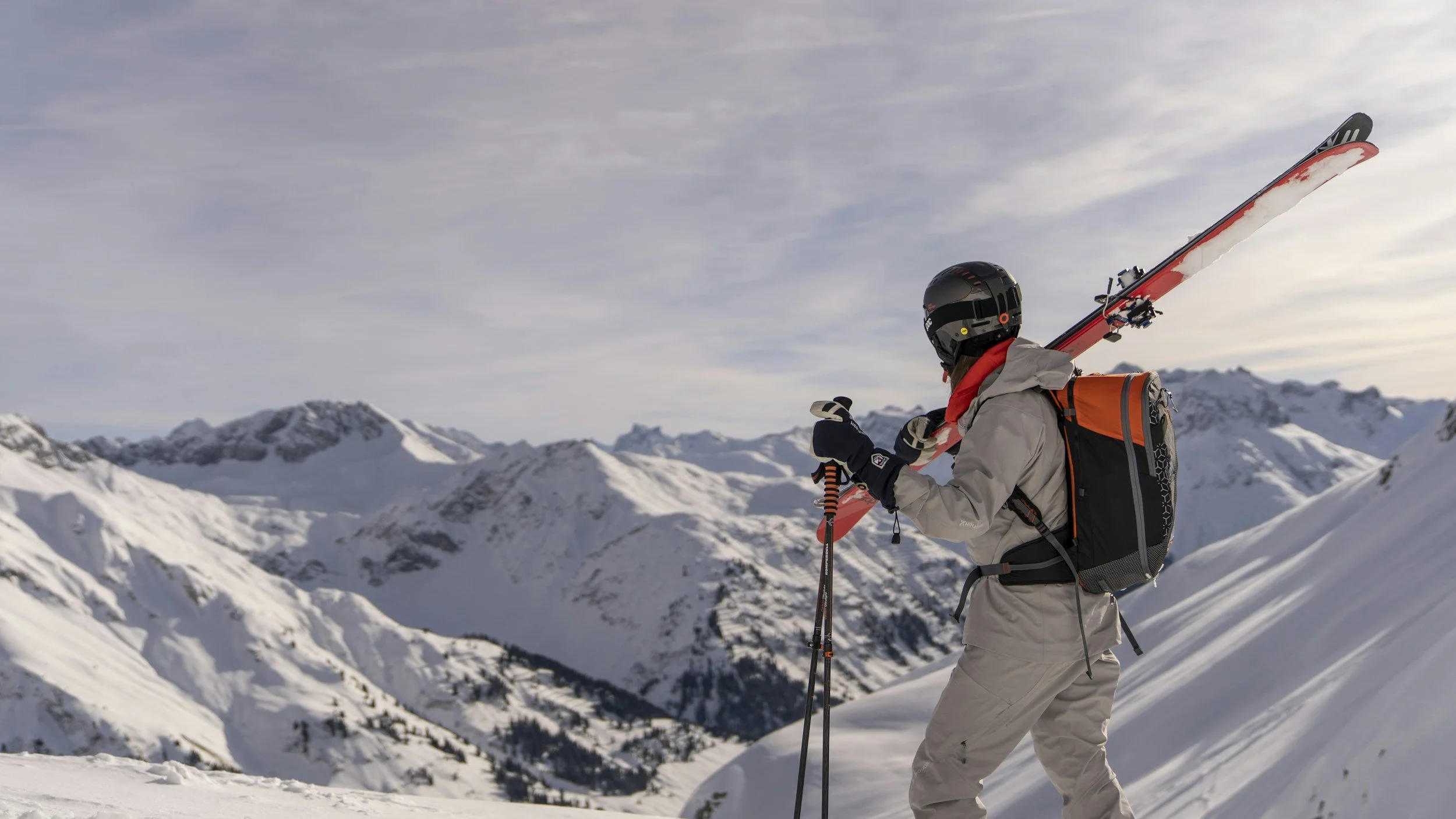
If you’re traveling in avalanche terrain, every person in your group must carry:
Avalanche Transceiver (Beacon) that is worn on your body and used to locate buried partners.
Avalanche Probe: Used to pinpoint a buried person’s location once a signal is found.
Avalanche Shovel: Lightweight, durable, and essential for fast, effective rescue.
These tools only work if you know how to use them. Regular practice is just as important as carrying the gear itself.
Backcountry Ski Gear Basics
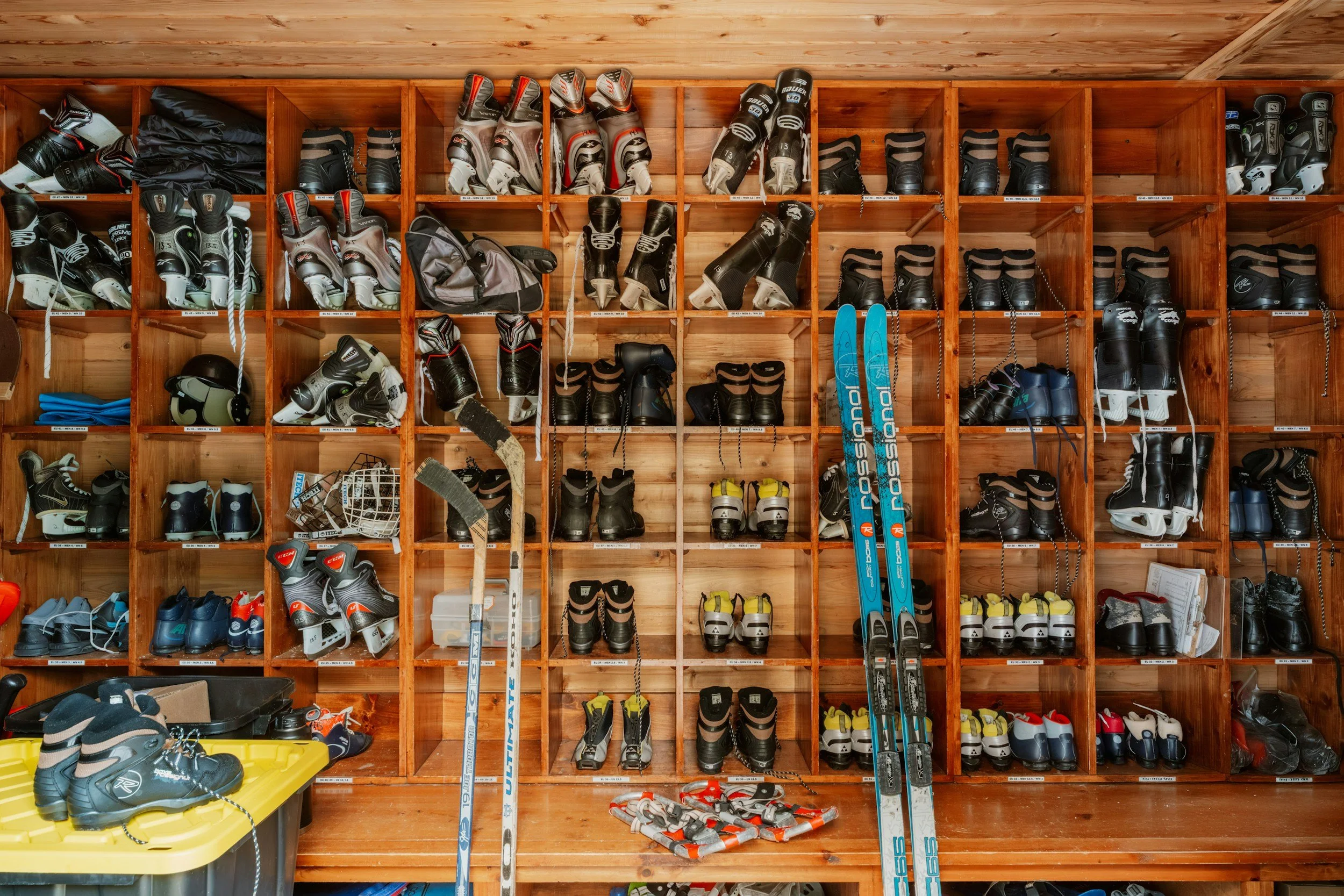
To get started backcountry skiing, you’ll need equipment designed for both uphill and downhill travel. Here is a list of essentials to get you started. The end of year is a great time to score holiday deals on certain items!
Essential Gear:
Touring skis or splitboard
Climbing skins
Touring bindings
Backcountry ski boots: boots than can switch from walk mode to ski mode
Adjustable poles
Backpack with avalanche tool storage
Helmet
First Aid Kit
Start simple. You don’t need the lightest or most expensive setup—just reliable gear that fits well and functions properly. If you are already a resort skier, the layers you already have to ski will work just fine for simple, low angle beginner ski tours.
How to Get Started Without Breaking the Bank
Backcountry skiing can feel expensive, but there are smart ways to ease into it.
Rent First! Many local shops offer full touring setups. Renting allows you to learn what works for your body and style before investing.
Buy Used or Demo Gear. End-of-season sales, demo gear, and secondhand marketplaces can significantly reduce costs. Facebook Marketplace is a great spot to score used gear that is still in great shape.
Invest in Education First: Courses often provide more long-term value than new gear. Knowledge doesn’t wear out—and it goes with you on every tour. A great progression for coursework we have found is: Know Before You Go class, Avy 1, followed by a companion rescue course. You can utilize free beacon parks at the start of each season also-to refresh your rescue skills.
Learning doesn’t stop after a course. We encourage using multiple tools to stay informed:
Daily avalanche forecasts for your region
Snowpack and weather tracking tools
Decision-making frameworks for mountain travel
Consistent learning builds better intuition and safer habits over time.
Education Builds Confidence—and Community
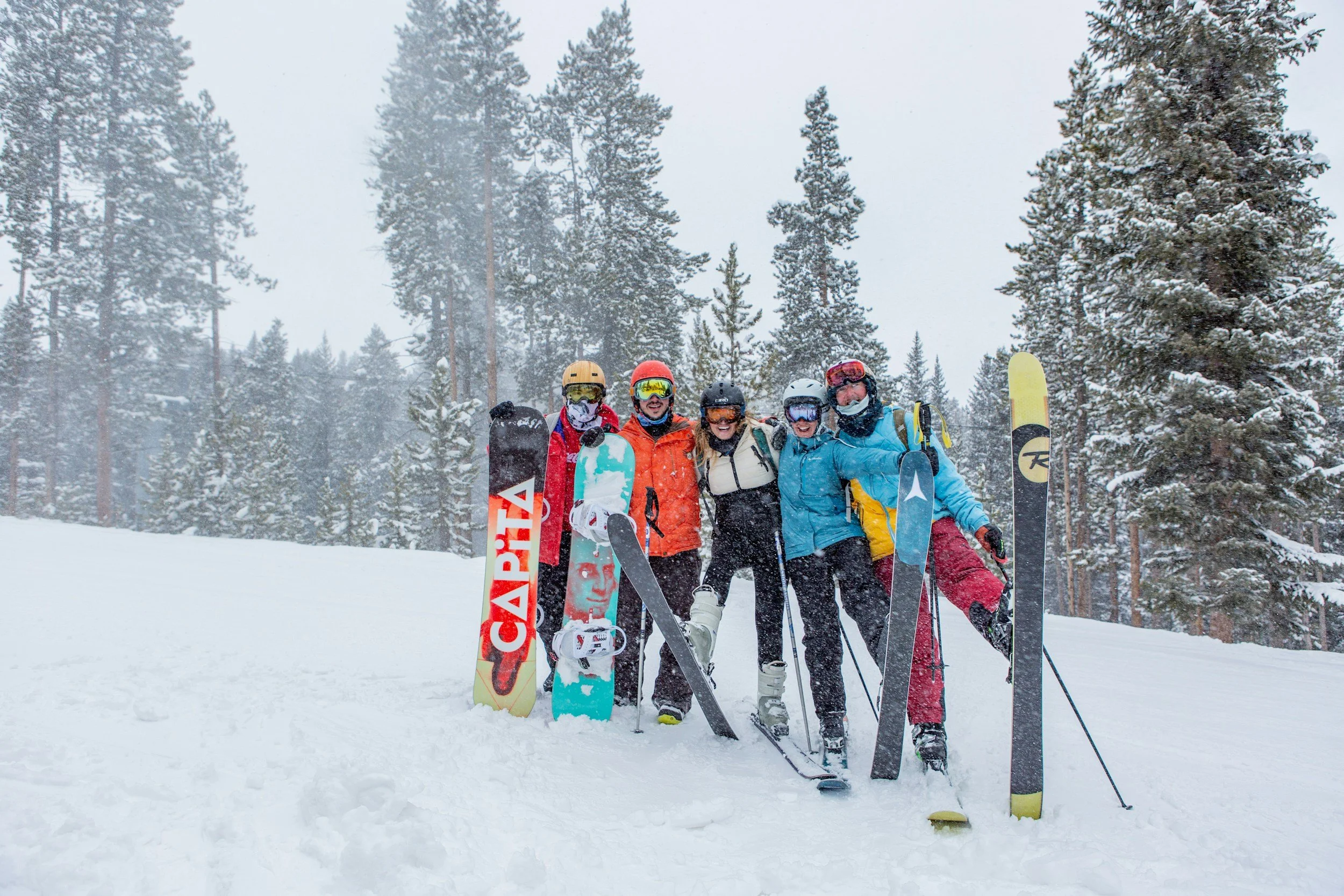
Backcountry skiing is a team sport. Your partners matter, communication matters, and shared decision-making is essential. When everyone is informed, the experience becomes more collaborative, supportive, and empowering.
Education builds not just safer skiers—but stronger community. People who learn together travel with more confidence, trust their instincts, and support one another in meaningful ways.
Backcountry skiing is a lifelong learning process. Start with mellow terrain. Ask questions. Take courses. Surround yourself with people who value safety as much as adventure.
The mountains will always be there. Our goal is to help you keep showing up—strong, informed, and connected.
